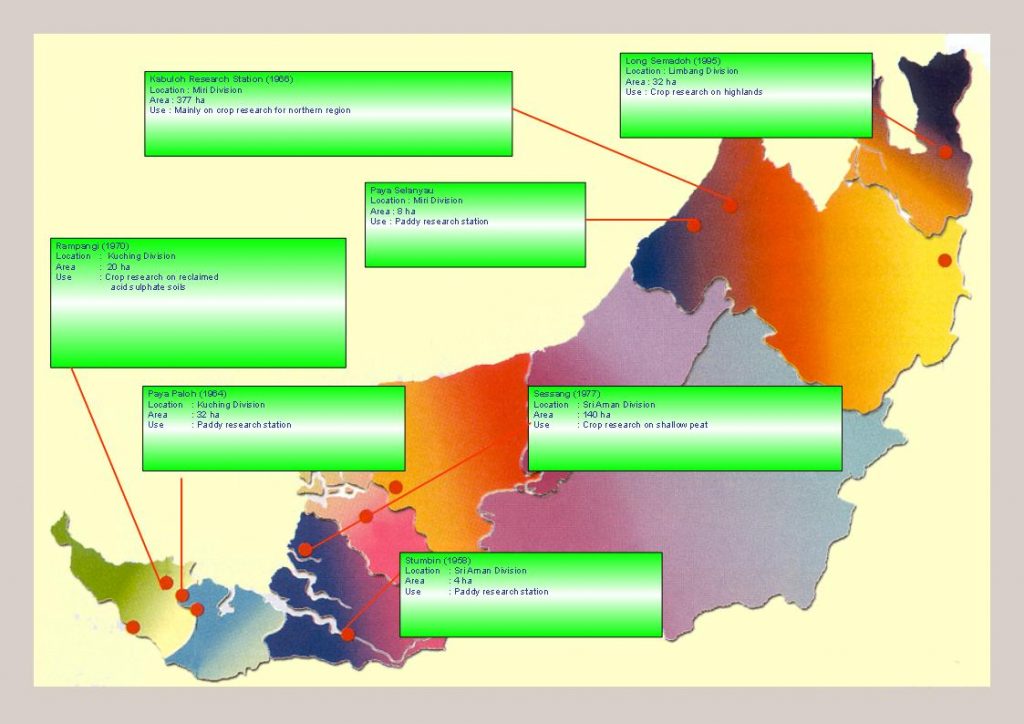
Established in 1967, the Agriculture Research Centre, Semenggok (ARC) is the administrative headquarters of the Research Division, Department of Agriculture (DOA), Sarawak.
The research division plays a huge part of research and development in the agriculture sector in Sarawak.
Research development programs
Over the years, the Sarawak agriculture department has come up various research development activities.
For instance, the Department has conducted a study on the cultivation of cauliflower and broccoli by fertigation system in lowlands in an effort to reduce dependence on the import market on these crops.
The department plans to expand this cultivation on a large scale by introducing it to interested farmers and agri-entrepreneurs.
Aside from that, studies on the production of bio compost from farm waste such as durian peel and banana stalks were also conducted to add value to products from excess farm waste.

It is said that the compost produced has the potential to be used as fertilizer in the cultivation of vegetables and fruits.
This will indirectly reduce dependence on the use of chemical fertilizers.
According to DOA, it will continue intensify efforts to promote the production and use of compost from farm waste to farmers and commercialize the production of this compost through the Area Farmers Organization (PPK) as one of the businesses to them.
Innovations in research and development
ARC also provides the necessary technological support for the development of the agriculture industry in the State.
Some innovations by the different agencies under the department that helps with the research efforts and activities in the State includes

- DOA
- Weed, Insects, Microorganism Collection Sarawak (WIMICS) – A digital system which contains information on crop pest resource and management in Sarawak, developed to facilitate self-diagnostic and the control of pest and crop disease problem.
- Sistem Maklumat Bersepadu Institut Pertanian Sarawak (SMBIPS) – A digital system developed to improve administrative efficiency encompassing various modules that cater to student affairs administration, including registrations, academics, examinations and convocations.
- myPhyto – A digital system developed to enable the online application, processing and issuance of phytosanitary certificates. The usage of this system enables improved service delivery through shorter time for certificate issuance, aside from the standardisation of data storage and report retrieval for strategic use.
- Agrosoils Soil Information Delivery (ASID) – A digital system developed for a more efficient delivery of soil information to our stakeholders for better planning on agriculture development projects through digital maps.
- Department of Veterinary Sarawak
- ePermit – issuance of permit for import/export of livestock and livestock products
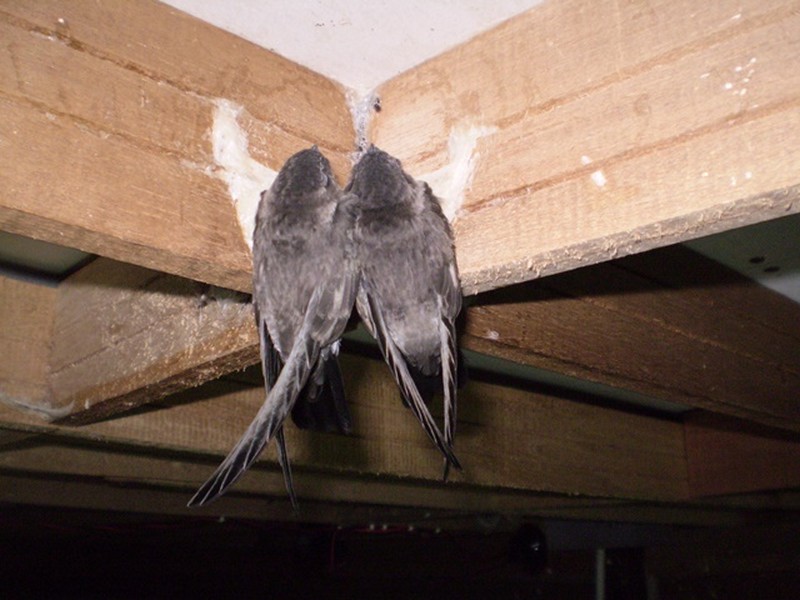
- RFID for swiftlet farm – for the purpose of traceability for swiftlet nest exported to China
- Rabies Apps – managing rabies cases
- Sarawak Land Consolidation and Rehabilitation Authority (SALCRA)
- Mill Dashboard System
- Estate Dashboard System
- GPS Fleet Management System
- Pilot for Infield Evacuation System (iFES)
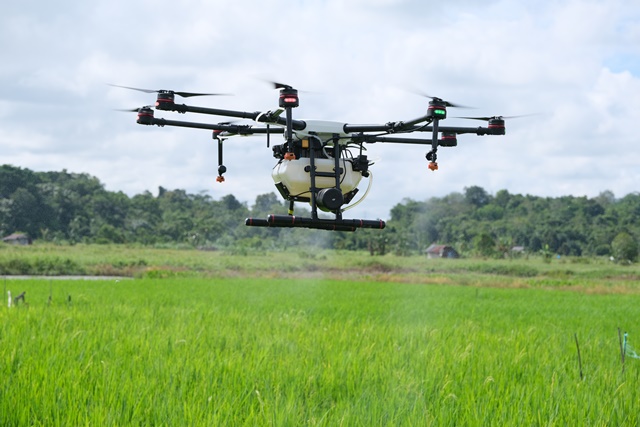
- UAV & Geospatial Technology
Precision farming for research and development work
The Rampangi permanent food production park or Taman Kekal Pengeluaran Makanan (TKPM)has successfully implement the use of Internet of Things (IoT) system in food production with the objective of making it as the modal for smart agriculture in Sarawak.
It was reported that TKPM Rampangi has 40 rain shelter structure or struktur perlindungan hujan (SPH), equipped with IoT in 2019 and fully completed in 2020.
The IoT system in the park also includes sensors to monitor control the input of fertilizer, temperature and humidity.
Due to the implantation of IoT, the value of production from TKPM Rampangi reached RM697,529 with a production of 66.9 metric tons from 2018 to 2020.
DOA is reported to adapt this modal to various location including the ARC, Tarat Agricultural Station and Sungai Sebiew Agricultural Training Center.
By promoting precision farming through the use of modern technology, it can help accelerate the research and development activities.
It is also anticipated that by modernising the agriculture sector, it can help attract the young generation to take up farming as a career.