Mental well-being is often associated with lifestyle factors such as stress management, regular exercise, quality sleep, and access to professional care.
While these factors play an important role in maintaining good mental health, researchers are increasingly exploring another piece of the puzzle: the relationship between the gut and the brain.
The gut and brain are connected through what scientists call the gut-brain axis, a communication system that allows both organs to exchange information constantly.
As a result, changes in gut health may influence mood and emotional well-being, while psychological stress can have noticeable effects on digestive processes.
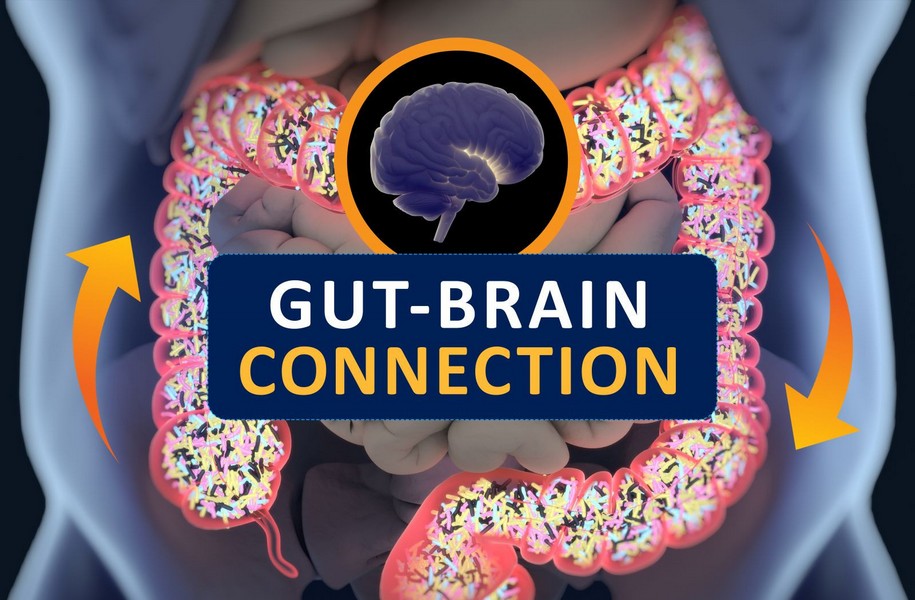
The digestive system contains trillions of microorganisms, collectively known as the gut microbiome.
These microscopic residents help digest food, support immunity, and even produce substances that influence how we think and feel.
Researchers have found that changes in the balance of these microorganisms may be associated with anxiety, emotional distress, and lower mood.
One of the reasons gut health matters for mental well-being is its role in producing important brain chemicals.
Serotonin, one of the most well-known neurotransmitters associated with mood, is produced predominantly in the digestive tract.
When gut health is affected by factors such as chronic stress, poor nutrition, inflammation, or excessive alcohol use, the communication pathways linking the gut and brain may also be disrupted.
So, how can we support both gut health and mental well-being in our daily lives?
One of the simplest ways to support the gut-brain connection begins at the dining table.
Foods that nourish the gut microbiome can help create an environment where beneficial bacteria flourish.
Foods high in fibre, including fruits, vegetables, beans, whole grains, nuts, and seeds, provide the nutrients these microbes need to thrive.
When these bacteria digest fibre, they produce compounds called short-chain fatty acids, which help support immune function, regulate inflammation, and promote overall health.
Aside from that, variety matters too.
Studies suggest that people who consume a broad range of plant-based foods tend to have a more diverse gut microbiome.
Fermented foods such as yoghurt with live cultures, kefir, kimchi, tempeh, miso, and sauerkraut may also support microbial balance by providing beneficial bacteria.
While these foods are not a substitute for professional mental health treatment, including them as part of a balanced diet may help support overall well-being.
References:
Cryan, John F., & Dinan, Timothy G.. (2012). Mind-altering microorganisms: The impact of the gut microbiota on brain and behaviour. Nature Reviews Neuroscience, 13(10), 701–712. https://doi.org/10.1038/nrn3346
Harvard Health Publishing. (2023, July 18). The gut-brain connection. https://www.health.harvard.edu/diseases-and-conditions/the-gut-brain-connection
Johns Hopkins Medicine. (n.d.). The brain-gut connection. https://www.hopkinsmedicine.org/health/wellness-and-prevention/the-brain-gut-connection