Exclusive Content:

Sarawak Unveils 2027 Welfare Budget

The Sarawak Budget 2027 delivers broad financial support, improving community welfare through targeted cash aid, free education, better healthcare, and rural infrastructure. This strategic plan helps families manage costs while building long-term economic opportunities for all local citizens today.

Women Lead Climate Resilience Through WPS Agenda

ASEAN's Women, Peace and Security agenda recognises women as leaders in climate adaptation and disaster risk management. Yet progress remains uneven. Regional plans are strong, but local women still need money, data and decision-making power to build truly safer communities.

Fair Growth Reaches Everyone, Not Just Cities

Fair development means investing in neglected rural areas so people can access basic roads, water, electricity, jobs, land profits, banking, and digital services. It aims to reduce poverty and narrow the city-village gap, while admitting delays and still unfinished work.

Understanding Community-based Rehabilitation

Understanding Community-based Rehabilitation

Rehabilitation was initially considered a sophisticated field and service provided by professionals in hospitals or medical institutions that required substantial financial resources at the national level.

It was in the 1970s when the World Health Organisation (WHO) shifted the focus to improving community-level access to rehabilitation. By training local human resources and developing referral systems, persons with disabilities (PWDs) were able to be move involved in social and economic activities.

Soon, rehabilitation was seen as part of primary health care, and in 1978, the Declaration of Alma-Ata led to the initiation of community-based rehabilitation (CBR), in which rehabilitation in settings where resources are limited can begin in the community instead of only in medical facilities.

Today, CBR has evolved to become a broader, multi-sectoral strategy that strives to integrate PWDs into community development processes to ensure not only the proper rehabilitation service they need, but also the equalisation of opportunities given to them, as well as their inclusion in society.

It is carried out through collaborative efforts among a wide range of stakeholders, from PWDs, their families and communities, to relevant government agencies and non-governmental organisations, especially in health, education, occupational and social services.
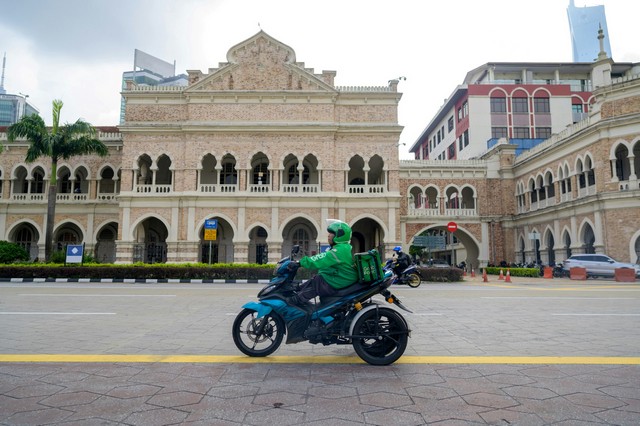
Among many other benefits, CBR can help people with disabilities to be active participants in socio-economic activities. Photo by Grab on Unsplash

Employing a grass-root approach in setting development priorities, it makes full use of local resources and capacity in addition to community assets and structures.

It also frequently bridges gaps in community services, which makes it crucial in countries where rehabilitation are not prioritised and under-resourced.

As the demand for such services around the world is expected to increase due to ageing populations and a rise in chronic illnesses, CBR in particular and rehabilitation in general will be more valuable than ever before in a nation’s healthcare system.

So how does the strategy benefit the targeted focus group themselves? With the right implementation, PWDs will be able to address their impairment, enhance their ability and independence, and promote their participation in socio-economic activities that is on par with everyone else.

They can also be empowered to make more informed decisions, allowing them to achieve their goals, understand their rights, and improve their quality of life alongside their families and caregivers.

For communities, CBR is vital in raising awareness of the diversity around them that includes PWDs. It promotes more positive attitudes towards these individuals, as well as develops a better understanding of the difficulties they face, the rights they have and the significance of economic and social equity so that they are not left behind in any community development activity.

It also directs greater attention on local resources, service networks, and workable solutions to real-world challenges that prevent PWDs and their caregivers from being part of society and obtaining services.

Most importantly, it encourages all individuals, especially those with disabilities, to be engaged in local governance, resource allocation and decision-making.

There are many ways to implement CBR programmes, which often times take account of the local context. In Solomon Islands, for example, the Ministry of Health and Medical Services have been instrumental in leading and coordinating the national CBR programme, which includes training workers on disability rights and support techniques.
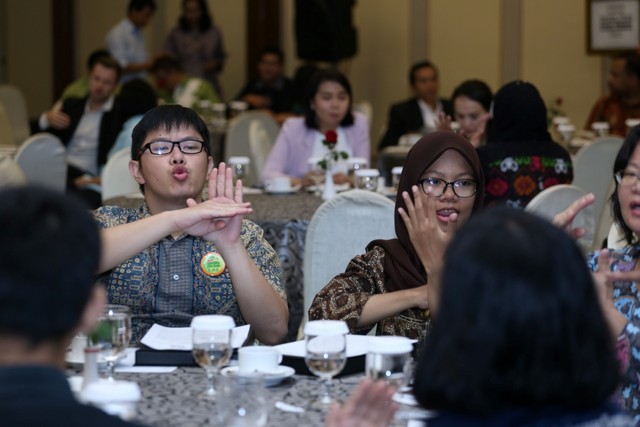
CBR is essential in building more awareness among communities regarding their diversity that includes people with disabilities. Photo by ILO Asia-Pacific @ Flickr

These workers are then located near communities with access to transport, enabling them to provide home-based therapy, education, accessibility improvements and mobility aids.

They also play a significant role in creating awareness of the programme by being part of campaigns organised by health departments, advocating for people with disabilities in the media, and undertaking community awareness activities.

Reference:

Community-based Rehabilitation. (2017). World Health Organization Western Pacific Region. https://iris.who.int/bitstream/handle/10665/279966/WPR-2017-DNH005-factsheet-03-cbr-eng.pdf?sequence=4&isAllowed=y

World Health Organization. (n.d.). Rehabilitation 2030. https://www.who.int/initiatives/rehabilitation-2030

Latest

Sarawak Unveils 2027 Welfare Budget

The Sarawak Budget 2027 delivers broad financial support, improving community welfare through targeted cash aid, free education, better healthcare, and rural infrastructure. This strategic plan helps families manage costs while building long-term economic opportunities for all local citizens today.

A Legacy Worth Weaving, One Thread at a Time

Sarawak's living heritage is at risk as youth grow distant from elders. While government support exists, a community-led model using simple micro-grants and monthly circles can revive traditions. This approach ensures heritage is lived daily, not just archived.

Women Lead Climate Resilience Through WPS Agenda

ASEAN's Women, Peace and Security agenda recognises women as leaders in climate adaptation and disaster risk management. Yet progress remains uneven. Regional plans are strong, but local women still need money, data and decision-making power to build truly safer communities.

Fair Growth Reaches Everyone, Not Just Cities

Fair development means investing in neglected rural areas so people can access basic roads, water, electricity, jobs, land profits, banking, and digital services. It aims to reduce poverty and narrow the city-village gap, while admitting delays and still unfinished work.

Newsletter

spot_img

Don't miss

Sarawak Unveils 2027 Welfare Budget

The Sarawak Budget 2027 delivers broad financial support, improving community welfare through targeted cash aid, free education, better healthcare, and rural infrastructure. This strategic plan helps families manage costs while building long-term economic opportunities for all local citizens today.

A Legacy Worth Weaving, One Thread at a Time

Sarawak's living heritage is at risk as youth grow distant from elders. While government support exists, a community-led model using simple micro-grants and monthly circles can revive traditions. This approach ensures heritage is lived daily, not just archived.

Women Lead Climate Resilience Through WPS Agenda

ASEAN's Women, Peace and Security agenda recognises women as leaders in climate adaptation and disaster risk management. Yet progress remains uneven. Regional plans are strong, but local women still need money, data and decision-making power to build truly safer communities.

Fair Growth Reaches Everyone, Not Just Cities

Fair development means investing in neglected rural areas so people can access basic roads, water, electricity, jobs, land profits, banking, and digital services. It aims to reduce poverty and narrow the city-village gap, while admitting delays and still unfinished work.

Layman Wants Real Answers, Not Viral Delays

Real accountability means complaints trigger binding deadlines, compensation, alerts, and public reports. Until agencies face real penalties and whistleblowers still stay protected, viral outrage will keep replacing ordinary service. The layman wants working systems, not only temporary appeasement after embarrassment.
spot_imgspot_img

Sarawak Unveils 2027 Welfare Budget

The Sarawak Budget 2027 delivers broad financial support, improving community welfare through targeted cash aid, free education, better healthcare, and rural infrastructure. This strategic plan helps families manage costs while building long-term economic opportunities for all local citizens today.

A Legacy Worth Weaving, One Thread at a Time

Sarawak's living heritage is at risk as youth grow distant from elders. While government support exists, a community-led model using simple micro-grants and monthly circles can revive traditions. This approach ensures heritage is lived daily, not just archived.

Women Lead Climate Resilience Through WPS Agenda

ASEAN's Women, Peace and Security agenda recognises women as leaders in climate adaptation and disaster risk management. Yet progress remains uneven. Regional plans are strong, but local women still need money, data and decision-making power to build truly safer communities.

LEAVE A REPLY

Please enter your comment!
Please enter your name here