More households in northern Sarawak are getting access to reliable and affordable electricity supply through the delivery of rural electrification projects.
In a statement issued by Sarawak Energy Berhad (SEB) dated 29th June 2021, the Sarawak Government is accelerating the delivery of rural electrification projects to ensure access to reliable and affordable electricity supply for the whole of Sarawak by 2025 including residents of rural Northern Sarawak.
“Rural electrification coverage in Sarawak has risen to 95 per cent in 2020 and is expected to reach 97 per cent in the coming months,” said Sarawak Minister for Utilities YB Dato Sri Dr Stephen Rundi Anak Utom.
Noting that about 45 per cent of Sarawakians live in longhouses, kampongs or smaller town in rural areas, Sarawak have been able to step up on the electrification efforts following the development of the Projek Rakyat initiative to accelerate the Rural Electrification Master Plan 2018.
He noted that the Sarawak government has allocated RM2.37 billion for rural transmission and distribution projects as well the implementation of SARES in distant villages.
By the end of 2021, almost 200 more households in the division will be connected to the grid, including about 120 households recovered from projects left abandoned by a previous contractor since 5 years ago.
By 2023, a further 866 households will have access to reliable 24-hour electricity to achieve full electrification for the entire division.
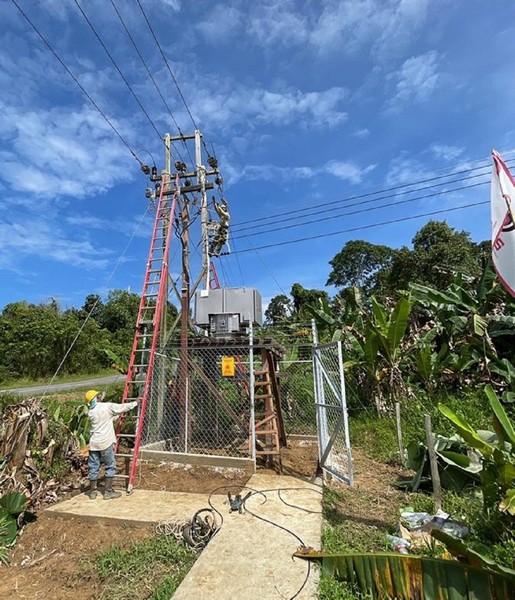
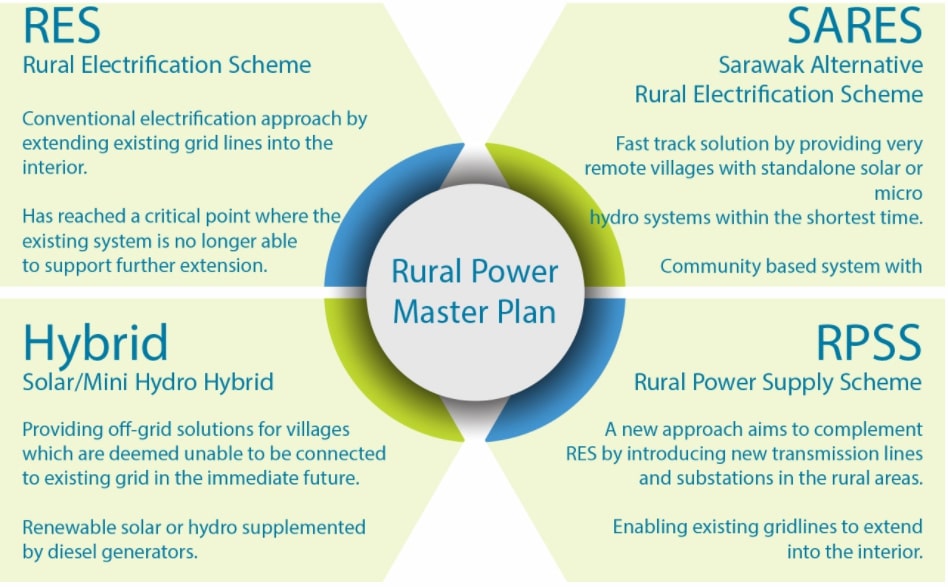
Since 2009, about 18,000 rural households have been connected to reliable electricity supply in the mountainous Limbang division through the simultaneous implementation of the Rural Electrification Scheme or RES, and Sarawak Alternative Rural Electrification Scheme or SARES.
This includes about 250 households in the hinterland which have been given access to 24-hour electricity under SARES, a sustainable stop-gap initiative to power up the most remote households with no road access, whilst conventional electrification via the grid makes its way to them.
These form part of the 150,000 rural households throughout Sarawak that have been lighted up under the various rural electrification strategies since 2009.
Electricity supply connection was through extension of the grid system for rural areas with road accessibility under RES, establishing localised micro-grids under hybrid system for larger communities distant from the main grid; and smaller standalone solar power systems for the most remote areas through SARES.
In addition to this, a new distribution system technology known as the Medium Voltage Covered Conductor (MVCC) has been adopted to connect Lawas town under the Limbang division to rural Bakelalan.
The first phase of the project has commenced and the implementation shall be synchronised with the commissioning of the new Lawas Town Extra High Voltage substation in 2022.
MVCC is able to withstand momentary contact with crops or vegetation without causing interruptions and this will help in strengthening supply reliability.
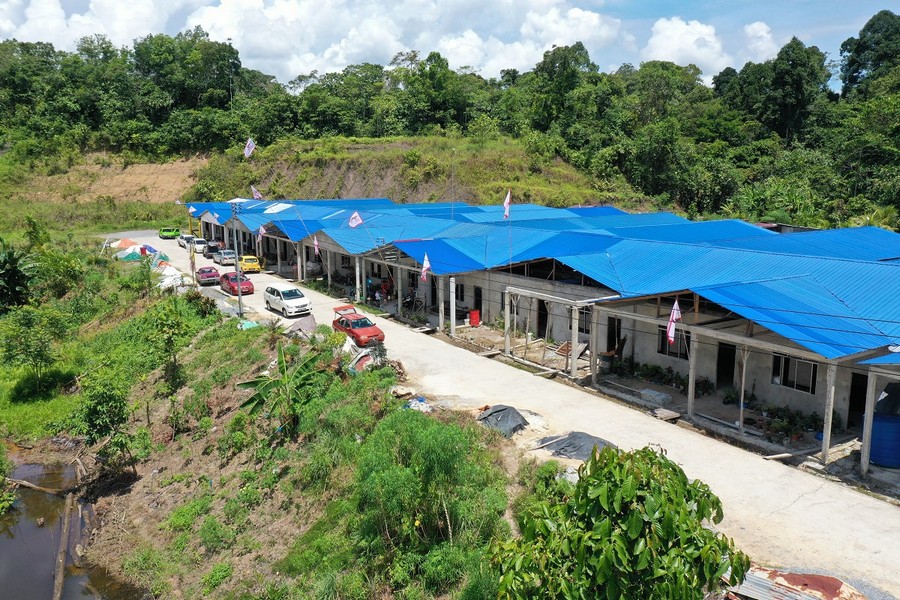
The communities in Bakelalan, located about 8 hours from Lawas town by uneven gravel roads and old logging tracks, engage mostly in farming and agricultural activities supplemented by homestay businesses run by locals.
However due to the distance from the towns, communities are rarely able to market their produce.
The lack of electricity also means that the processing of the ‘Adan’ rice and highland salt is either done manually or powered by diesel generators which can only run for limited times.
With steady electricity supply by 2023, residents can have access to refrigeration as well as modern machinery that can boost productivity.
“The communities in rural Lawas will be able to process their produce and sell them in bigger and further away towns,”
“With access to reliable electricity supply, our rural communities will enjoy greater convenience and opportunities for a better standard of living,” said Dato Sri Dr Stephen Rundi.