Community Involvement in Sarawak: The Catalyst for Conservation and Rural Development
Community involvement is a powerful driver of sustainable development, particularly in the realms of conservation and rural tourism.
In Sarawak, where natural resources are both a source of livelihood and cultural heritage, community engagement initiatives have proven essential for safeguarding these assets while improving the well-being of local populations.
When local communities take ownership of conservation efforts and tourism ventures, the results often lead to long-term environmental stewardship and socioeconomic resilience.
Lessons from Terengganu: The Role of Awareness and Education
A pivotal study conducted between July and October 2022 in Setiu, Terengganu, provides a valuable blueprint for understanding the determinants of community engagement in environmental conservation.
The study, which focused on a coral reef conservation project, found that villagers’ participation was driven by awareness of the ecological benefits, a clear understanding of reef protection strategies, and recognition of the economic benefits linked to their livelihoods in fishing and tourism.
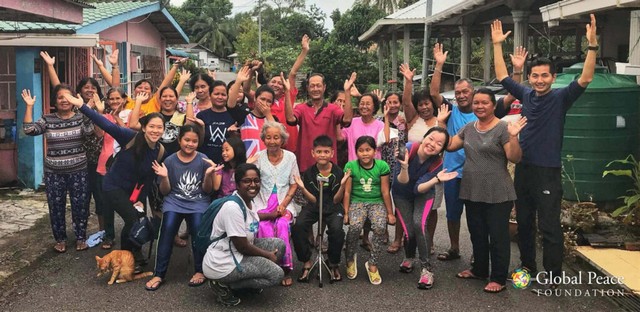
Those with higher incomes were also more likely to participate in activities such as clean-up drives and monitoring illegal fishing, suggesting that economic stability enables greater volunteerism.
The study emphasised that local governance and well-established community institutions play a crucial role in fostering engagement.
Access to resources, coupled with decision-making authority over local ecosystems, created a sense of ownership and accountability among the villagers.
Despite the challenges posed by immediate economic needs, educational campaigns and incentive structures helped to balance short-term pressures with long-term conservation goals.
Potential For Ecotourism and Community Empowerment in Sarawak
Similar principles are being applied in the context of rural tourism development.
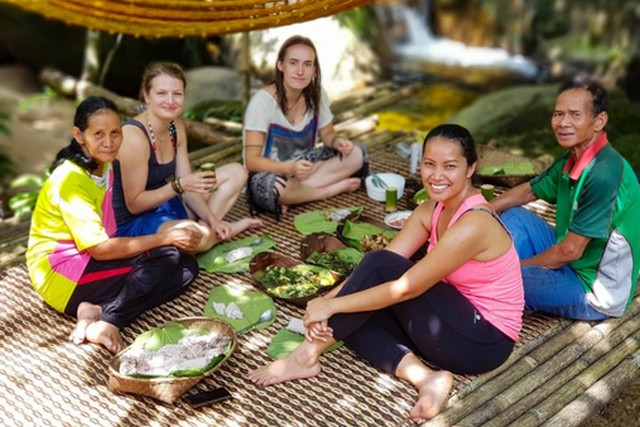
Community-based ecotourism (CBE) initiatives, such as the Miso Walai Homestay in Kinabatangan, Sabah, highlight the transformative power of grassroots involvement.
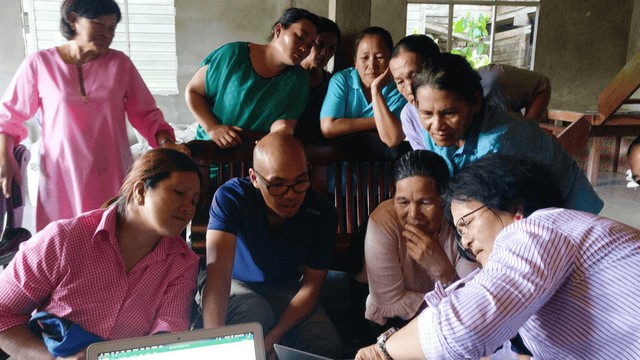
This homestay model, supported by the MESCOT Project and Koperasi Pelancongan Berhad (KOPEL Bhd), has expanded beyond tourism into sectors like conservation and organic farming, directly improving the livelihoods of local communities.
By participating in homestays, reforestation projects, and eco-tourism ventures, the community is not only generating income but also acquiring skills in entrepreneurship, resource management, and environmental stewardship.
Such efforts directly support several of the United Nations’ Sustainable Development Goals (SDGs), including:
- SDG 1 (No Poverty): By diversifying economic opportunities through ecotourism, communities are able to reduce poverty, boost demand for indigenous products, and increase household income.
- SDG 8 (Decent Work and Economic Growth): Ecotourism creates job opportunities in sectors like homestays, local handicrafts, and outdoor guiding, contributing to local economic growth.
- SDG 11 (Sustainable Cities and Communities): Empowering communities to manage their resources sustainably, while preserving cultural heritage, fosters a sense of pride and resilience.
- SDG 17 (Partnerships for the Goals): Collaborative frameworks between governments, NGOs, and local communities are essential for scaling ecotourism projects and ensuring their sustainability.

Overcoming Barriers to Participation
Despite the success of these initiatives, several obstacles continue to impede broader community involvement in Sarawak’s rural tourism and conservation sectors.
Financial constraints, lack of infrastructure, limited access to leadership training, and inconsistent income from tourism are key challenges.
For example, some villages, like Kampung Sadir and Kampung Semadang, struggle with poor transportation networks, which hinder tourist arrivals and diminish the economic viability of local ecotourism businesses. Villages like Kampung Benuk face leadership challenges, with inadequate management skills and limited exposure to opportunities within the ecotourism sector.
Additionally, younger generations are often reluctant to participate in these initiatives, preferring to seek more stable income sources outside their villages.
This generational gap presents a serious challenge to the sustainability of community-based ecotourism efforts, as it limits the influx of new ideas and energy into these projects.
Addressing these barriers requires targeted support from both governmental and non-governmental bodies. Financial assistance, improved infrastructure, leadership development programs, and consistent promotional efforts are necessary to ensure that rural tourism initiatives can thrive.
Third-party training programs, such as those provided by NGOs or government agencies, can equip local communities with the skills needed to manage ecotourism businesses more effectively, from homestay management to environmental conservation practices.
Government Initiatives: Bridging the Gap
In Sarawak, the state government and local authorities have initiated several community engagement programs to bridge the gap between policy and grassroots implementation.
The Jiwa MADANI program, launched in September 2024, serves as one of the key platforms for direct communication between the government and local communities.
By prioritising face-to-face interaction, the initiative fosters stronger relationships and ensures that communities are well-informed about government policies and opportunities for participation.
Other initiatives, such as the Sarawak Kita Empun (SKE) program and the efforts of the Forest Department Sarawak (FDS), emphasise the importance of community-led decision-making.
The establishment of Community Representative Committees (CRC) ensures that local voices are heard in the planning and management of both conservation and tourism projects, promoting mutual benefit and accountability.
Through ongoing engagement, organisations like the Forest Department Sarawak (FDS) and Gerenai Forest Management Unit are actively involving village heads and community members in the certification and management of forest resources.
These initiatives underline the critical role of local participation in safeguarding natural ecosystems while ensuring that the benefits of conservation are shared equitably.
Sarawak’s journey toward sustainable development is intrinsically linked to the strength and effectiveness of its community involvement programs.
By empowering local populations to take an active role in conservation and rural tourism, Sarawak is not only preserving its rich natural and cultural heritage but also laying the groundwork for long-term economic resilience.
To unlock the full potential of these efforts, challenges such as financial constraints, infrastructure gaps, and leadership limitations must be addressed through collaborative, multi-stakeholder approaches. With continued investment in education, skills development, and community empowerment, Sarawak’s communities can play a central role in shaping a sustainable future, one that benefits both people and the environment.
References
- “Promoting sustainable development with community engagement”
- “The ladder of citizen participation and community engagement”
- “Driving Economic Growth Through Community Engagement”
- “‘Sarawak Kita Empun’ programme for community engagement”
- “Kuching’s public spaces set for transformation to boost tourism, community engagement”
- “Jiwa MADANI event strengthens government-community engagement”
- “Effect of community participation on sustainable development: an assessment of sustainability domains in Malaysia”
- “Relationship between Community Participation, Socio Economy and Organizational Capacity on Sustainable Development”
- “Factors influencing community participation in Community- Based Ecotourism in Padawan, Sarawak”