Agropolitan Program: A Path to Sustainable Living and Community Empowerment
In Malaysia’s push to alleviate rural poverty, the Agropolitan Program has become a landmark initiative. First introduced in 2007, this government-backed effort provides rural communities with structured agricultural projects, housing, and training, aimed at empowering participants to escape poverty. In Sarawak, a state that remains largely rural, the program takes on even greater significance.
Poverty in Rural Sarawak: A Persistent Challenge
Sarawak’s sprawling landscape, while rich in resources, faces the challenge of rural poverty due to its low population density and geographical barriers. Historically, many rural communities, especially the Iban and other Indigenous groups, rely heavily on subsistence agriculture, facing limited access to social services, modern infrastructure, and economic opportunities. In some remote areas, basic necessities like healthcare, education, clean water, and electricity are scarce. This situation often traps generations in a cycle of poverty.
A 2019 report by the Department of Statistics Malaysia (DOSM) revealed that 40.5% of Sarawak’s population still lives in rural areas, where income disparities between rural and urban households remain stark. For many, conventional farming methods and isolation from mainstream development result in low productivity and, consequently, low income levels. The Agropolitan Program directly addresses these challenges, creating pathways for rural empowerment and self-sustained livelihoods.
Agropolitan: Fostering Sustainable Living
At its core, the Agropolitan Program is designed to shift communities away from poverty through sustainable agricultural practices. The initiative provides participants with housing, farming tools, technical support, and ongoing training. By focusing on long-term agricultural productivity, the program addresses immediate economic needs while ensuring sustainable living for the future.
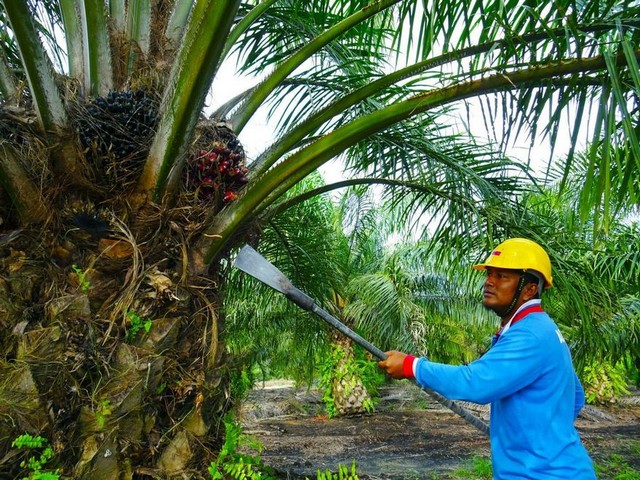
In Sarawak, where palm oil, rubber, and commercial crops like pineapple play a central role in economic activities, the Agropolitan settlements focus on integrating these industries within a sustainable framework. For example, the ongoing Batang Lupar Agropolitan Project provides oil palm farming opportunities while ensuring that participants are equipped with the skills to manage their operations in a way that conserves the environment and supports long-term economic growth.
Sustainability extends beyond agricultural productivity. Agropolitan projects incorporate holistic community development, providing infrastructure such as schools, healthcare facilities, and access to clean water. Through the provision of eco-friendly housing and public utilities, the program reinforces environmental sustainability while uplifting local communities. Participants are encouraged to explore eco-tourism and other sustainable practices that not only create income but preserve the local ecosystem for future generations.
Empowering Communities: A Shift from Dependency to Self-Sufficiency
One of the most critical aspects of the Agropolitan Program is community empowerment. This initiative creates a shift in mindset from dependency on government aid to self-reliance, with participants actively involved in managing farms, markets, and other income-generating projects. Women’s development is particularly emphasised through the establishment of Kumpulan Pembangunan Wanita (Women’s Development Group), which ensures that women take on leadership roles and actively participate in local governance.
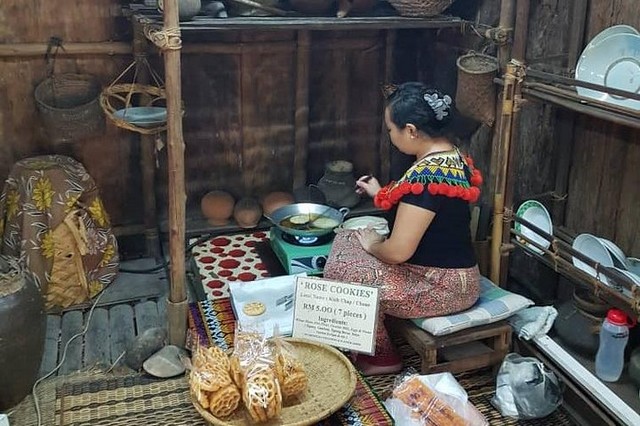
In addition to agricultural work, participants are empowered through education and leadership training. Programs such as financial literacy, farm management, and cooperative business models help them become self-sufficient and capable of running community enterprises. This approach has resulted in participants not only increasing their household income but also gaining the confidence to lead their communities toward future growth and development.
Success Stories from Sarawak
Several Agropolitan projects in Sarawak have made significant strides in transforming rural communities. The Batang Lupar Agropolitan Project in Sri Aman is one such success story, whereby its impact has been compared to that of Gahai Agropolitan Programme, which had lifted 88.1% of participant households out of extreme poverty status.
Another example is the development of agro-based products from pineapple farms under the Gunung Sadok Agropolitan project. These products, such as pineapple jam and juice, have added a new dimension to local entrepreneurship, allowing participants to diversify their income streams and market their products to wider areas. Such innovations not only uplift individual families but also create a ripple effect in empowering the wider community.
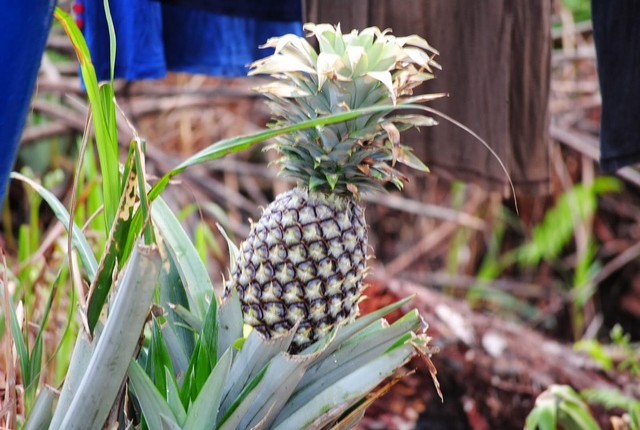
By further integrating rubber plantations, pepper farms, and commercial crops, Gunung Sadok Agropolitan has empowered participants to move beyond subsistence farming and into commercial agriculture and livestock rearing.
A Future for Rural Sarawak
While the Agropolitan Program has demonstrated its effectiveness in improving the economic and social conditions of rural communities, it also serves as a model for sustainable development in Sarawak. By focusing on empowering local communities, creating sustainable living conditions, and fostering environmental stewardship, the program paves the way for a more inclusive and sustainable future in Sarawak.
The expansion of similar projects through integrated village economic development programs has led to the Sarawak Government gradually replacing Agropolitan projects with PROSPEK, alongside collaborations with agricultural bodies like RISDA and FAMA. The expansion further highlights the government’s commitment to empowering rural communities by utilising the most of Sarawak’s vast resources and strong communal traditions make it well-placed to lead the way in sustainable living and rural development in Malaysia.
The Agropolitan Program, by providing opportunities for rural populations to engage in sustainable agriculture and community development, continues to be a beacon of hope for many in Sarawak, proving that rural communities, with the right support, can achieve self-sufficiency and drive their own development.
References
- Agropolitan Project: Role in Rural Development and Poverty Eradication
- SDG for Malaysian States: Population under Poverty Line
- Microfinance services and poverty reduction in Sarawak, Malaysia
- Conceptual Frameworks in Geography: Case Study Supplements Case Studies of the Third World (M Barke 1991)
- The Socioeconomic Impacts Of Agropolitan Project In The Rural Areas Of The East Coast Region Of Malaysia
- PROSPEK set to replace agropolitan programme
- PROSPEK programme approved for Betong with devt budget of RM9 mln
- KKDW Plans To Build Latex Collection Depot In Betong — Rubiah
- RM196 juta bagi realisasikan Projek Agropolitan KKDW: Rubiah
- Peranan Program Agropolitan Runchang Dalam Memperkasakan Kualiti Hidup Orang Asli