Harnessing Community Engagement for Sustainable Development
In every corner of the world, communities — whether in bustling cities or tranquil rural villages — hold the key to shaping a more sustainable future. By engaging their members and drawing from collective wisdom, communities can better prioritise their needs, setting the stage for sustainable development on a local scale. But how do we effectively channel the power of community to drive tangible change? Whose responsibility is it to ignite this spark? And more importantly, why should it matter to you?
What Is Sustainable Development?
At its core, sustainable development is about living in a way that allows us to thrive today while making sure future generations can do the same. According to the United Nations, it means “meeting the needs of the present without compromising the ability of future generations to meet their own needs.”
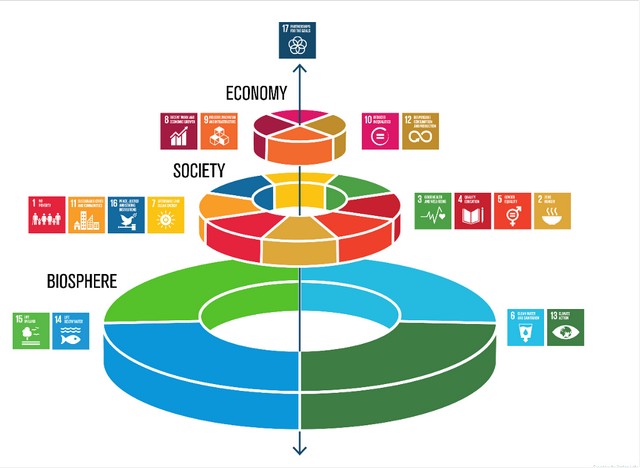
This idea touches on everything, from protecting the environment to ensuring everyone has access to education and good jobs. To help guide this process, the UN created the Sustainable Development Goals (SDGs) — 17 key goals that cover things like ending poverty, promoting gender equality, enhancing quality of life, and protecting the planet. Beyond big, global goals, they are targets that need to be addressed right where we live.

Community Engagement as a Catalyst for Sustainable Development
The SDGs, while designed to address global challenges, require local solutions. Sustainable development cannot be achieved through top-down mandates alone—it thrives when local communities are informed, involved, and empowered to take action. In practice, this means that local governments must actively engage their communities to address their specific needs.
For instance, rural communities may prioritise poverty reduction and economic growth, while metropolitan areas may focus on climate action or nature conservation. By involving communities directly in decision-making, governments can ensure that policies are responsive to local challenges, facilitating meaningful progress toward the SDGs.
In addition, community engagement doesn’t just advance social and environmental goals—it also drives economic growth. By empowering communities to develop local solutions, sustainable development goals can stimulate local economies. Further studies like those by the Brookings Institution showed similar findings. Regions with greater community engagement led to economic growth, reinforcing the idea that inclusive development isn’t just socially responsible—it’s economically sound.
One effective strategy is for local authorities to conduct polls or surveys to identify community priorities. Armed with this data, governments can allocate resources to SDG initiatives in a way that reflects local needs. Additionally, community engagement enhances accountability, as residents are able to monitor efforts, measure results, and provide feedback. This fosters trust between citizens and their representatives, while encouraging buy-in for policy decisions, which increases the likelihood of successful outcomes.
Case Studies in Community Engagement
- Adjusting Education and Early Learning in Stirling, Scotland: In Stirling, Scotland, the local government facilitated projects aimed at improving educational outcomes for children with Complex Additional Support Needs (ASN), including Autism Spectrum Disorder. Through community surveys and public meetings, residents were able to share their input, ensuring that resources were allocated to better support these students. Additionally, a survey asked parents how early learning programs could better serve their children. Both projects align with SDG 4 (Quality Education), demonstrating how community engagement can directly contribute to sustainable development in education.
- Reproductive Health Workshops for Women in Chile: Chile’s National Youth Institute (INJUV) engaged local communities to gather ideas for community development. One outcome was a series of workshops on sexual and reproductive health for young women. These workshops, aimed at fostering self-care, self-esteem, and providing a safe space for discussing sexuality, supported both SDG 3 (Health and Well-being) and SDG 5 (Gender Equality).
- Participatory Budgeting in Antony, France: In the city of Antony, France, local residents were invited to participate in a €600,000 budgeting project to set priorities for local sustainable development. Participants proposed projects such as planting a micro-forest and setting up a collective garden. This participatory process not only contributed to SDG 13 (Climate Action) but also empowered residents to take a much more active role in shaping their community’s future.
Levels of Community Engagement
Community engagement can take many forms, from simply informing residents about decisions to empowering them to take the lead in shaping their communities. Each level of engagement brings varying degrees of involvement:
The higher the level of engagement, the more trust is built between the community and its representatives. At the same time, higher engagement levels demand greater commitment from local governments, but the rewards—in terms of trust, accountability, and tangible progress—are worth the investment.
Community engagement is a powerful tool that can drive sustainable development. Whether by fostering economic growth, improving social equity, or protecting the environment, engaged communities are essential to realising the Sustainable Development Goals. Local governments, NGOs, and private-sector partners all have roles to play in creating an environment where communities can thrive, collaborate, and co-create a sustainable future for generations to come.

References
- “Promoting sustainable development with community engagement”
- “The ladder of citizen participation and community engagement”
- “Driving Economic Growth Through Community Engagement”
- “‘Sarawak Kita Empun’ programme for community engagement”
- “Kuching’s public spaces set for transformation to boost tourism, community engagement”
- “Jiwa MADANI event strengthens government-community engagement”
- “Effect of community participation on sustainable development: an assessment of sustainability domains in Malaysia”
- “Relationship between Community Participation, Socio Economy and Organizational Capacity on Sustainable Development”
- “Factors influencing community participation in Community- Based Ecotourism in Padawan, Sarawak”