The right to adequate housing is a human right recognized in international human rights law as part of the right to an adequate standard of living.
According to the UN-Habitat, more than 1.8 billion people worldwide lack adequate housing. Every year, two million people are forcibly evicted, many more threatened with evictions and some 150 million people worldwide are homeless.
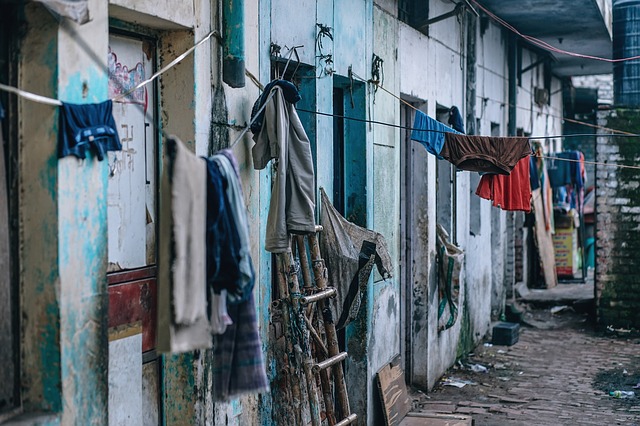
Housing in Sarawak is a growing issue especially among the lower-income group with many living in houses in dilapidated condition.
The Minor Rural Project – Sarawak Poor Home Improvement Project (MRP-PPRMS) was introduced by the State government in 2018 as an initiative to help the poor in Sarawak.
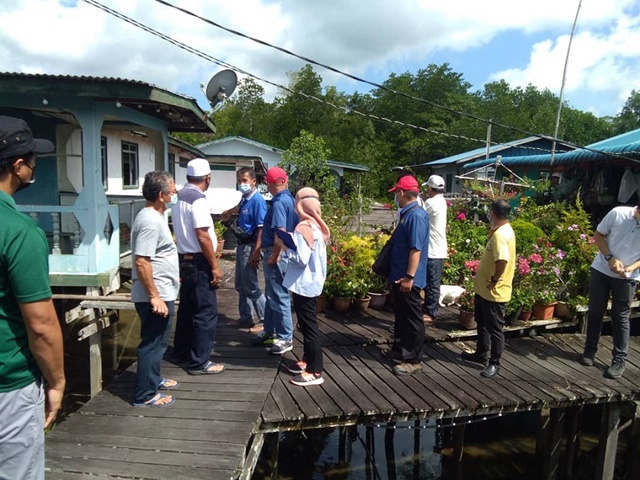
Since it was introduced in 2018, the programme has assisted eligible recipients in house repair work in Sarawak.
The house work repairs may comprise of repairing the roof, ceiling, floor, walls, toilets, doors and windows.
Recently in 2021, it was reported in local news that a total of 15 houses in Kampung Selalang, Sarikei has been undergoing repairment through MRP-PPRMS with an allocation of RM45, 100.
This house repair programme is the brain child of YAB Chief Minister of Sarawak aimed at assisting the needy who require assistance for repairs of their dilapidated houses as well as speeding the implementation of MRP projects to benefit the people especially the poor households who need a proper and safe shelter.
Under this programme, each assemblyman and members of the parliament is allocated RM1 million annually for house repair works.
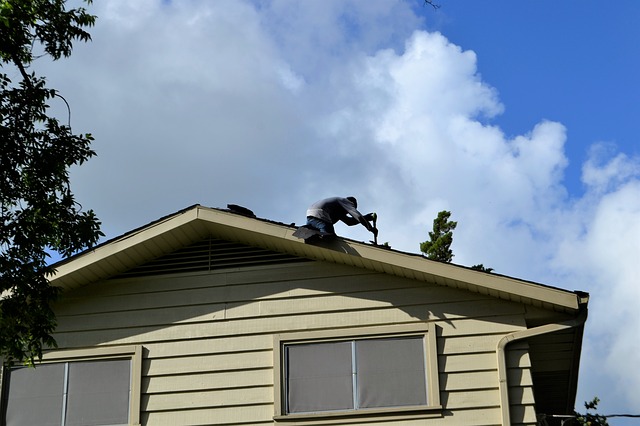
Aimed at assisting the needy group who require assistance for repairs of their dilapidated houses, each assemblyman and members of the parliament is allocated RM1 million annually to carry out this programme.
This allocation is channelled twice a year where each distribution is RM500,000
Those registered under e-Kasih and household in the Bottom40 (B40) group are eligible to receive the house repair assistance.
Houses that are deem unsafe to be inhabited and dilapidated are among the criteria to be selected to be in the programme.
Under this programme, the head villagers as well as the committee members of the village are also responsible for identifying the selection of recipients for the house repair assistance which can be carried out by contractors or as communal work.
Apart from MRP-PPRMS, there are also other house repair scheme introduced in Sarawak.
The longhouse repair scheme or Program Pinjaman Rumah Panjang (PPRP) was introduced for repair and construction of longhouses in rural areas.
However, unlike MRP-PPRMS, the longhouse repair scheme is a special loan given to the natives residing in longhouses for renovation of individual units or for the purpose of building new longhouses (especially in the case of fire).
The recipient will receive loans in the form of building materials amounting RM30,000 per unit/family
The pre-requisite of PPRP is:
- The longhouse and Tuai Rumah must be registered with the District Office
- Longhouse of not less than 10 “bilik”/units
- Land Status: Longhouse not built on government land
- Household income of applicant not less than RM350.00
(Source: https://hdc.sarawak.gov.my/page-0-0-75-PPRP.html)
The PPRP is a state government initiative that aims to help longhouse residents who are less than able to build and repair their longhouses.
It is implemented by the Housing Development Corporation (HCD), an agency under the Ministry of Local Government and Housing Sarawak, where it provides a 25-year loan to each eligible recipient and it does not incur any interest.
Good housing promotes good physical and mental health.
And good health depends on having homes that are safe and free from physical hazards.
For instance, dilapidated housing with conditions such as water leaks, poor ventilation, dirty carpets and pest infestation can lead to an increase in mold, mites and other allergens associated with poor health.
Exposure to extreme low and high temperatures due to poor housing have been associated with increased mortality, especially among vulnerable groups such as the elderly.
Dilapidated housing condition may lead to various health effects such as asthma, lung cancer through exposure of dangerous materials such as asbestos, depression and anxiety, hypothermia, skin condition and eye irritation.
Apart from that, those who suffers mental health due to poor living condition will likely decrease their chance of finding employment, which can hinder a community’s productivity and economic activity.
Another consequence of poor living conditions is the social impact it has to the community living in dilapidated housing.
A report titled ‘Social impact of poor housing’ by Danny Friedman (2010) shows a relation on the relationship between poor housing conditions and, respectively, crime, educational attainment, and health.
While we cannot equate poor housing conditions directly with educational failure, poor living conditions has shown to inhibit a child’s ability to receive the best possible education, regardless of the country or region.
Thus, one of the most effective way to combat poor living conditions in dilapidated houses is by ensuring a proper and safe living condition.
The MRP-PPRMS initiative by the Sarawak government has helped poor household in ensuring they have access to assistance in having a proper and safe shelter for themselves and their families.
However, aside from ensuring good living condition, other social factors such as access to good education and health care are also a necessity to ensure good living standards.