Exclusive Content:

Women Lead Climate Resilience Through WPS Agenda

ASEAN's Women, Peace and Security agenda recognises women as leaders in climate adaptation and disaster risk management. Yet progress remains uneven. Regional plans are strong, but local women still need money, data and decision-making power to build truly safer communities.

Fair Growth Reaches Everyone, Not Just Cities

Fair development means investing in neglected rural areas so people can access basic roads, water, electricity, jobs, land profits, banking, and digital services. It aims to reduce poverty and narrow the city-village gap, while admitting delays and still unfinished work.

Layman Wants Real Answers, Not Viral Delays

Real accountability means complaints trigger binding deadlines, compensation, alerts, and public reports. Until agencies face real penalties and whistleblowers still stay protected, viral outrage will keep replacing ordinary service. The layman wants working systems, not only temporary appeasement after embarrassment.

Education Hub in Sarawak

Adapted from : The History of Education System in Sarawak

Before the formation of Malaysia in 1963, the education system was under the supervision of the local government and was confined to primary education.

With the formation of Malaysia in 1963, the Malaysian Government inherited a unique education scenario from the Colonial Office, where various changes in the education system happened.
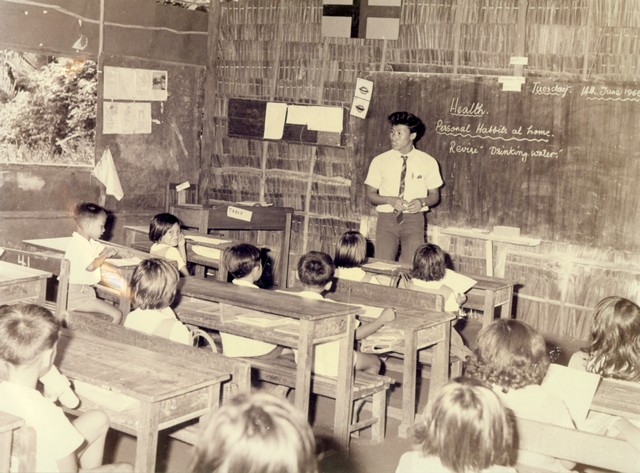
A primary school in Simanggang (now Sri Aman) in the 1960’s (Photo credit: Pustaka Negeri Sarawak Collection)

By 1982, all Government and aided English primary schools had been converted into primary schools using Bahasa Malaysia as the main medium of instruction and by 1989, all Government and aided English Secondary Schools up to Form Six were fully converted into national secondary schools using Bahasa Malaysia as the main medium of instruction.

Tertiary education is given a high priority in Sarawak.

Traditionally a village known as Muara Tuang, Kota Samarahan is now known as a medical and education hub in Sarawak as it is a dwelling place for universities, research centers as well as medical facilities.

Among the education and healthcare facilities that are available in the area includes Universiti Malaysia Sarawak, Universiti Teknologi MARA Kota Samarahan Campus (2 campuses), Institute of Teacher Education (Tun Abdul Razak Campus, Kota Samarahan Industrial Training Institute (ILPKS) and Institut Tadbiran Awam Negara (INTAN) Kampus Wilayah Sarawak.

Read more : The History of Education System in Sarawak

Latest

A Legacy Worth Weaving, One Thread at a Time

Sarawak's living heritage is at risk as youth grow distant from elders. While government support exists, a community-led model using simple micro-grants and monthly circles can revive traditions. This approach ensures heritage is lived daily, not just archived.

Women Lead Climate Resilience Through WPS Agenda

ASEAN's Women, Peace and Security agenda recognises women as leaders in climate adaptation and disaster risk management. Yet progress remains uneven. Regional plans are strong, but local women still need money, data and decision-making power to build truly safer communities.

Fair Growth Reaches Everyone, Not Just Cities

Fair development means investing in neglected rural areas so people can access basic roads, water, electricity, jobs, land profits, banking, and digital services. It aims to reduce poverty and narrow the city-village gap, while admitting delays and still unfinished work.

Layman Wants Real Answers, Not Viral Delays

Real accountability means complaints trigger binding deadlines, compensation, alerts, and public reports. Until agencies face real penalties and whistleblowers still stay protected, viral outrage will keep replacing ordinary service. The layman wants working systems, not only temporary appeasement after embarrassment.

Newsletter

spot_img

Don't miss

A Legacy Worth Weaving, One Thread at a Time

Sarawak's living heritage is at risk as youth grow distant from elders. While government support exists, a community-led model using simple micro-grants and monthly circles can revive traditions. This approach ensures heritage is lived daily, not just archived.

Women Lead Climate Resilience Through WPS Agenda

ASEAN's Women, Peace and Security agenda recognises women as leaders in climate adaptation and disaster risk management. Yet progress remains uneven. Regional plans are strong, but local women still need money, data and decision-making power to build truly safer communities.

Fair Growth Reaches Everyone, Not Just Cities

Fair development means investing in neglected rural areas so people can access basic roads, water, electricity, jobs, land profits, banking, and digital services. It aims to reduce poverty and narrow the city-village gap, while admitting delays and still unfinished work.

Layman Wants Real Answers, Not Viral Delays

Real accountability means complaints trigger binding deadlines, compensation, alerts, and public reports. Until agencies face real penalties and whistleblowers still stay protected, viral outrage will keep replacing ordinary service. The layman wants working systems, not only temporary appeasement after embarrassment.

Niah’s True Test Starts After the UNESCO Plaque

The UNESCO inscription of Niah is a crucial first step, but the real prize for Sarawak will be economic diversification and community prosperity. Success hinges on translating this global validation into local livelihoods through sustainable tourism and infrastructure that benefits the people of Batu Niah.
spot_imgspot_img

A Legacy Worth Weaving, One Thread at a Time

Sarawak's living heritage is at risk as youth grow distant from elders. While government support exists, a community-led model using simple micro-grants and monthly circles can revive traditions. This approach ensures heritage is lived daily, not just archived.

Women Lead Climate Resilience Through WPS Agenda

ASEAN's Women, Peace and Security agenda recognises women as leaders in climate adaptation and disaster risk management. Yet progress remains uneven. Regional plans are strong, but local women still need money, data and decision-making power to build truly safer communities.

Fair Growth Reaches Everyone, Not Just Cities

Fair development means investing in neglected rural areas so people can access basic roads, water, electricity, jobs, land profits, banking, and digital services. It aims to reduce poverty and narrow the city-village gap, while admitting delays and still unfinished work.

LEAVE A REPLY

Please enter your comment!
Please enter your name here