Sarawak is emerging as a regional powerhouse in the global hydrogen economy, propelled by visionary leadership, strategic planning, and a commitment to sustainability.
The launch of the Hydrogen Economy Forum (H2EF) 2025 marked a defining moment for the state, as Premier Sarawak, Datuk Patinggi Tan Sri (Dr) Abang Haji Abdul Rahman Zohari bin Tun Datuk Abang Haji Openg and senior officials outlined ambitious initiatives that position Sarawak at the forefront of clean energy innovation.
At the forum’s opening ceremony, Dr. Hazland Abang Hipni, Deputy Minister of Energy and Environmental Sustainability and chairperson of H2EF 2025, underscored hydrogen’s transformative role in addressing climate change and energy security. “Hydrogen is not just an alternative energy source but a solution that is changing how we produce, store, and use energy,” he said.
Highlighting Sarawak’s abundant natural assets from vast forested land and over 300 rivers to hydropower and solar potential Dr. Hazland positioned the state as an ideal hydrogen hub in Southeast Asia.
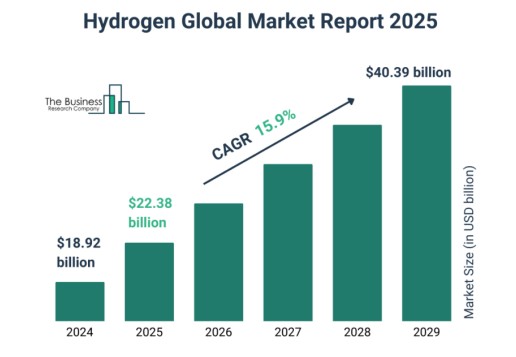
Premier Sarawak, Datuk Patinggi Tan Sri (Dr) Abang Haji Abdul Rahman Zohari reinforced this vision during his keynote speech, unveiling the Sarawak Hydrogen Economy Roadmap a strategic guide charting the state’s hydrogen ambitions through 2035 and beyond. “While we have made impressive strides, the journey is far from over,” he said.
The roadmap centres on four pillars: renewable energy, natural gas, carbon capture and storage (CCS), and hydrogen production, aiming to diversify Sarawak’s energy mix while driving decarbonisation and economic growth.
Sarawak’s renewable energy sector, led by hydropower, solar, and biomass, is the backbone of its hydrogen strategy.
The state already exports electricity to neighbouring West Kalimantan and plans to expand exports to Sabah, Brunei, Peninsular Malaysia, and Singapore.
This regional interconnection not only boosts clean energy trade but also enhances energy security across borders.
Premier Sarawak emphasized the state’s control of nearly 60% of Malaysia’s natural gas reserves, which supports domestic needs and export-oriented industrial growth.
Natural gas, a transition fuel globally recognised for cleaner combustion, is integrated into Sarawak’s energy vision through the Sarawak Gas Roadmap. Complementing this, Sarawak holds over 65% of Malaysia’s geological storage capacity for CCS a vital technology to capture carbon emissions and mitigate climate change impacts.
Regarding hydrogen, Premier Sarawak, Datuk Patinggi Tan Sri (Dr) Abang Haji Abdul Rahman Zohari recalled Sarawak’s early investment in green hydrogen since 2017, and highlighted flagship projects like H2ornbill and H2biscus, which are advancing towards completing their Front-End Engineering Design (FEED) by year-end.
He also announced the establishment of a dedicated hydrogen innovation hub in Kuching, aimed at accelerating research, development, and investment, cementing Sarawak’s status as a clean hydrogen pioneer in Southeast Asia.
The Premier’s announcement was complemented by Sarawak’s ground-breaking Distribution of Gas (Amendment) Ordinance passed in November 2024, which came into force in March 2025.
This legal framework regulates hydrogen-related activities, ensuring safety, sustainability, and investor confidence. It sets penalties for violations and authorizes the government to impose levies or charges on hydrogen operations, demonstrating Sarawak’s readiness for responsible industry governance.
Deputy Premier and Minister, as well as various ADUNs during the State Legislative Assembly session, have echoed the Premier’s commitment, highlighting hydrogen’s potential to drive economic diversification, job creation, and environmental sustainability.
They stressed the importance of ongoing collaboration among government agencies, industry players, and communities to realise Sarawak’s hydrogen vision.
Dr. Hazland further framed H2EF 2025 as more than a conference a platform to galvanize international collaboration and innovation.
This vision was echoed by global experts like Amiram Rath-Deblon from Blueleaf Energy, who praised Sarawak’s rich renewable energy endowment and stressed the need for robust infrastructure and policies to accelerate hydrogen development.
Sarawak’s leadership has not only laid a firm foundation but also exemplified bold political will, aligning with the state’s Post-COVID Development Strategy 2030.
The roadmap’s success will hinge on massive capital investment, technology adoption, and cultivating a skilled talent pool challenges the Premier acknowledges with optimism, citing technological advances such as reducing energy consumption per kilogram of hydrogen.
In conclusion, Sarawak’s initiatives demonstrate a comprehensive, forward thinking approach to developing a hydrogen economy that is environmentally sustainable, economically viable, and socially inclusive.
As the Hydrogen Economy Forum continues, Sarawak’s message is clear: it is ready to lead the clean energy transition, shaping a greener and more resilient future for the region and beyond.
References
BP 3. (2025, May 13). Sarawak takes centre stage as Hydrogen Economy Forum 2025 opens today. Borneo Post Online. https://www.theborneopost.com/2025/05/13/sarawak-takes-centre-stage-as-hydrogen-economy-forum-2025-opens-today/
BP 6. (2025, May 13). Abg Jo: We’re determined to be leading regional green economy hub. Borneo Post Online. https://www.theborneopost.com/2025/05/14/abg-jo-were-determined-to-be-leading-regional-green-economy-hub/
Editor AS. (2025, May 13). Sarawak to finalise hydrogen industry regulations, guidelines by year-end, says Premier Abang Johari. DayakDaily. https://dayakdaily.com/sarawak-to-finalise-hydrogen-industry-regulations-guidelines-by-year-end-says-premier-abang-johari/
Sulok Tawie. (2025, May 13). Abang Johari launches Sarawak Hydrogen Economy Roadmap. NST Online; New Straits Times. https://www.nst.com.my/news/nation/2025/05/1215639/abang-johari-launches-sarawak-hydrogen-economy-roadmap#google_vignette