Exclusive Content:

Membina Kubu Kesihatan Mental Melalui Ruang dan Literasi

Konsep Seni Bina Ketenangan menekankan reka bentuk ruang sebagai intervensi kesihatan mental dengan menggabungkan minimalisme, psikologi seni bina, dan prinsip holistik bagi menjadikan rumah sebagai ekosistem penyembuhan yang menyokong keseimbangan emosi, ketenangan, serta kebahagiaan berpanjangan.

Membongkar Mitos Dan Stigma Kesihatan Mental Merentasi Budaya

Kesihatan mental ialah isu kritikal seluruh dunia, tetapi budaya mempengaruhi tafsiran dan rawatannya. Mitos seperti masalah mental tidak wujud dalam kelompok tertentu menimbulkan stigma. Ini menghalang individu daripada mendapatkan sokongan. Memahami perspektif pelbagai sangat penting untuk penyelesaian inklusif yang berkesan.

From Waste to Watts

Transform Sarawak’s rural waste into reliable power, thriving economies, and healthier communities. Our decentralized systems deliver sustainable independence, slash costs, and fulfil the Premier’s vision of resilient villages. Embrace circular prosperity today, power your tomorrow, and lead the renewable revolution.

Desa Lestari Program to Benefit Rural Communities

Smoked ‘tahai’ fish (Image source: Ministry of Rural Development)

In 2020, Kampung Punang Baru in Lawas is the latest village in Sarawak to be chosen to be under the ‘Desa Lestari’ program to carry out the smoked ‘tahai’ fish processing project.

It is reported that the program will help create 75 new job opportunities and will benefit 500 villagers and its surrounding areas.

Since 2013, the Desa Lestari program is one of the initiatives by the Ministry of Rural Development (KPLB) established under the Government Transformation Program 2.0 (GTP 2.0).
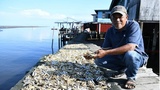
It is anticipated the smoked ‘tahai’ fish processing project under the “Desa Lestari’ program will create 75 new job opportunities and will benefit 500 villagers and its surrounding areas (Image source: Ministry of Rural Development)
The existing smoking house in Kampung Punang Baru that will be upgraded through the Desa Lestari program (Image source: Ministry of Rural Development)

Sarawak is the third highest state in Malaysia to receive the grant assistance under the Desa Lestari program with a total allocation of RM16.53 million has been spent.

Up to 2020, a total of 13 villages in Sarawak have successfully received grants to carry out Desa Lestari projects.

They are:

NoVillageSectorEconomic project
1Kampung Tellian, Mukah (Koperasi Desa Lestari Tellian Tengah dan Ulu Berhad)Service  Coal truck transportation and sawdust transportation
2Kampung Stass, Bau (Koperasi Kaban Stass Bau Berhad)AgriculturalCanopies and chairs as well as plantation machinery rental services and freshwater fish farming  
3Kampung Tanjung Parang, Kota Samarahan (Koperasi Desa Lestari Kampung Tanjung Parang Samarahan Berhad)Services/ Livestock  Agricultural and plantation machinery, canopies and vehicles rental services as well as kelulut beekeeping  
4Rh Panjang Long Bedian, Baram (Koperasi Jukdian Bersatu Miri Berhad)Service  Tourism (homestay), transportation and plantation machinery rental services  
5Kampung Pejuang Kelulit, Miri (Koperasi Pejuang Kelulit Bekenu Miri Berhad)  Service  Plantation machinery renting service  
6Rh Edmund Kumbong, Saratok (Koperasi Sungai Ruan Berhad)  Service/ LivestockPlantation machinery renting service, kelulut beekeeping
7Rh Surang, Sibu (Koperasi DesaLestari Nanga Tajam Oya Selangau Berhad)Service  Plantation machinery rental service  
8Rh Benjamin Angki, Kanowit (Koperasi Homestay Rumah Benjamin Angki Kanowit Berhad)  TourismRenting out boats, kayaks and vehicles  
9Uma Belor, Belaga (Koperasi Uma Belun Leo Dian Berhad)AgriculturalBusinesses weighing, buying and selling oil palm fruit  
10Rh Benggau, Kapit (Koperasi Desa Lestari MPKK Nanga Sut Balleh Kakit Berhad)TourismCanopy and truck rental services
11Rh Jagoi Duyoh, Kuching (Koperasi Jagoi Duyoh Berhad)TourismEco-tourism  
12Kampung Punang Baru, Lawas (Tahai Fish Processing Cooperative Kg Punang Baru Lawas Berhad)ManufacturingProduction of smoked tahai fish  
13Kampung Mongkos, Serian (Koperasi Mongkos Berhad)  TourismKampung Mongkos Homestay Tourism
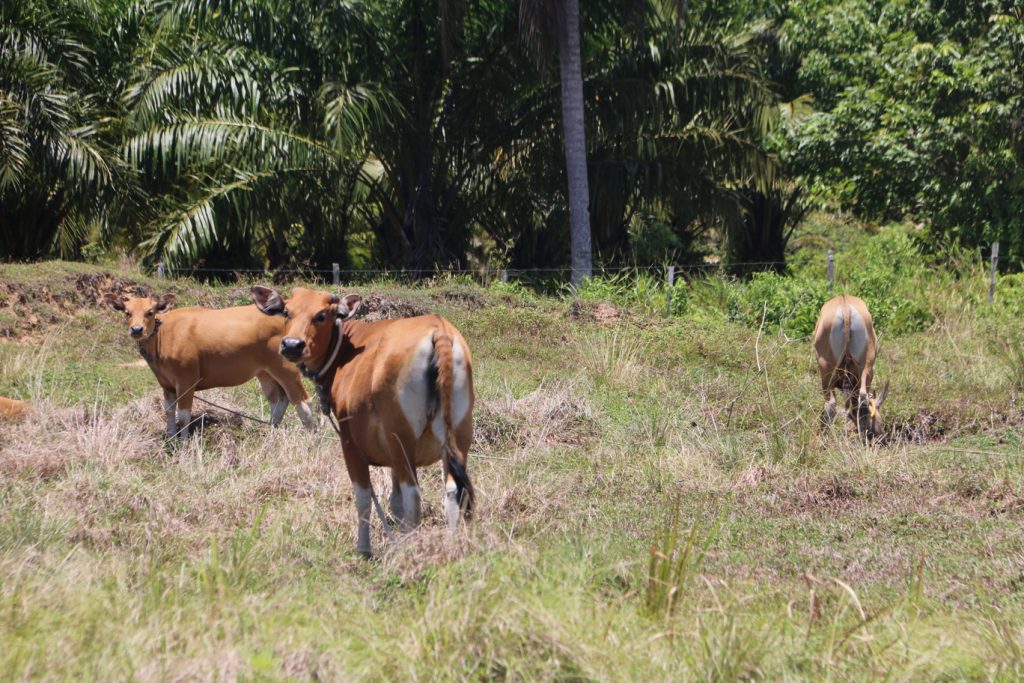
The community in the village may choose to establish a cattle feedlot (agriculture sector) under the program

Desa Lestari program background

The Desa Lestari program aims to transform rural areas and improve the living standards of rural communities through various economic activities.

It is implemented through the Community Cooperative in collaboration with the Cooperative Commission of Malaysia (SKM).
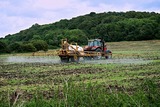
Under the Desa Lestari program, among the main economic sectors includes the service sector (such as plantation machinery renting service) (Image source: Pixabay)

As of 2020, a total of 137 villages throughout Malaysia have been selected to be developed under the program with a total location of RM157.4 million.

The implementation period for the Desa Lestari program is seven years and throughout this duration, the program aims to create a socio-economic impact to the rural community by increasing their income, creating job as well as membership within the Head of Household or Ketua Isi Rumah (KIR) in the cooperatives.

From 2013 to 2020, it was reported that a total of gross income of RM53 million has been generated and 4,300 job opportunities created involving a total number of 7,780 KIR members of the cooperatives.
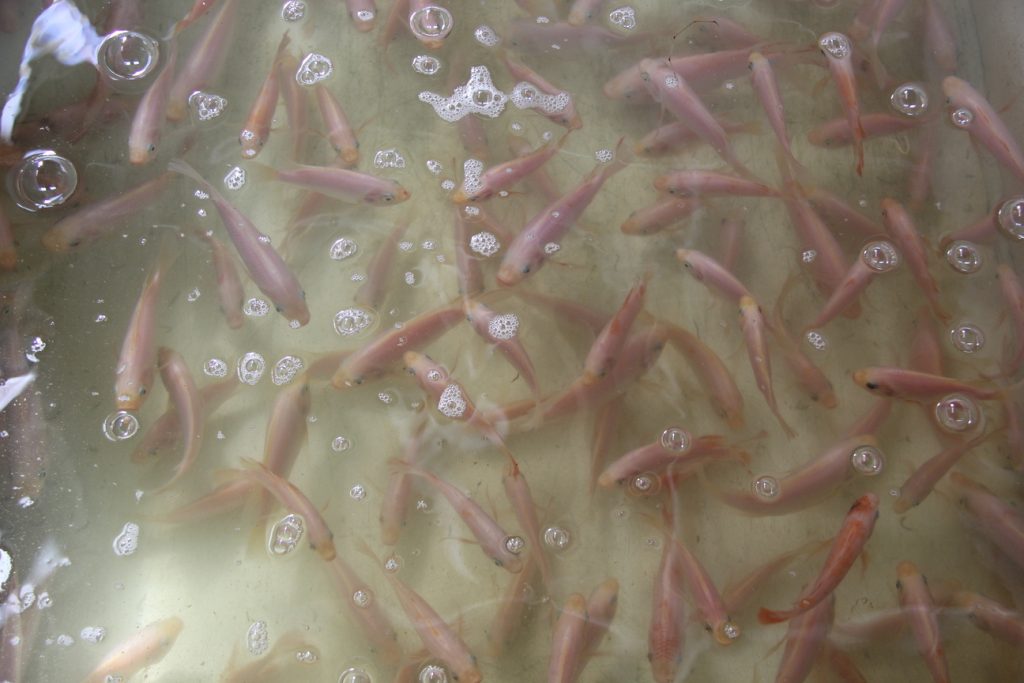
Talapia fish farming
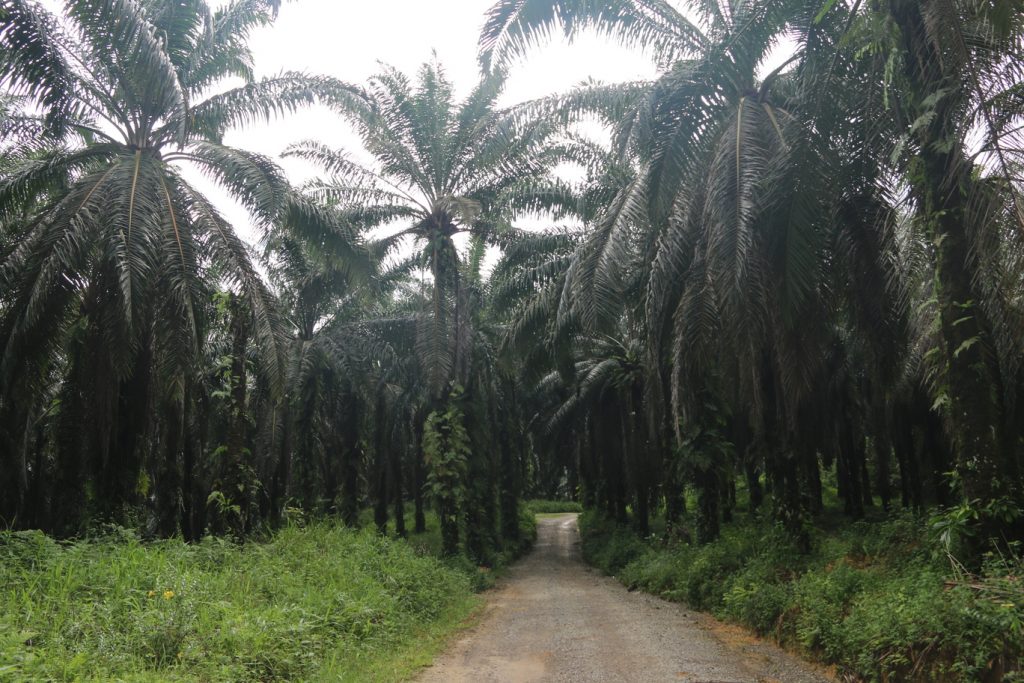
Palm oil

In total, the program has benefitted about 32, 000 people of the rural communities.

Through the Desa Lestari program, it is expected that it will help increase the gross income of the cooperative by at least 5 per cent after one year the program was implemented.

The program is also expected to create at least 10 new employment opportunities for the community involved and to have at least 30 per cent of KIR members participating the cooperative.


Under the tourism sector, it may also includes kayak or boat renting services to visitors (Image source: Pixabay)
The village may also choose to focus on the tourism sector as their main economic sector under the program (Image source: Pixabay)

Among the requirements for the Desa Lestari program are:

(i) Open to any villages (that has MPKK)

(ii) Nomination is made by the State Government/LKW/SKM

(iii) Has potential and natural resources to be developed

(iv) Has implemented community projects

(v) Must be ready to implement economic projects (Village Profile, Human Capital, Land/Location)

(vi) Competent leadership

(vii) Advantages to villages with existing community cooperatives

Under the Desa Lestari program, the focus is on six main economic sectors, namely:

NoSectorExamples
1ServicePlantation machinery, tents, boats and vans (vehicles) rental service
2TourismAgro Tourism and Eco Tourism  
3AgricultureChilli fertigation, pineapple, corn, yellow sugarcane, bean sprouts and mushrooms  
4LivestockKululut bee farming, broiler sea bass, cattle and goat feedlots, tilapia and freshwater lobster
5ManufacturingRendang maman, handicrafts, yellow noodles, corn products, mineral water, ginger products, smoked tahai fish, bakery products and tongkat biscuits
6RetailPetrol stations, grocery stores and supermarkets, Bario rice sales, food trucks and restaurants
  • Lembaga Kemajuan Wilayah Pulau Pinang (PERDA);
  • Lembaga Kemajuan Johor Tenggara (KEJORA);
  • Lembaga Kemajuan Kelantan Selatan (KESEDAR);
  • Lembaga Kemajuan Terengganu Tengah (KETENGAH); dan
  • Lembaga Kemajuan Wilayah Kedah (KEDA)

As of 2020, a total of 12 agencies under KPLB are involved in the Desa Lestari program. They are:

(i) Five (5) Regional Development Authorities under KPLB:

(ii) Agencies under KPLB:

  • Majlis Amanah Rakyat (MARA);
  • Pihak Berkuasa Kemajuan Pekebun Kecil Perusahaan Getah (RISDA);
  • Lembaga Penyatuan dan Pemulihan Tanah Persekutuan (FELCRA);
  • Jabatan Kemajuan Orang Asli (JAKOA)

(iii) KPLB Network Agencies:

  • Perbadanan Kemajuan Pertanian Negeri Pahang (PKPP);
  • Perbadanan Pembangunan Pertanian Negeri Perak (PPPNP);
  • Lembaga Kemajuan Tanah Negeri Sabah (LTNS); dan
  • Perbadanan Labuan

Latest

Membina Kubu Kesihatan Mental Melalui Ruang dan Literasi

Konsep Seni Bina Ketenangan menekankan reka bentuk ruang sebagai intervensi kesihatan mental dengan menggabungkan minimalisme, psikologi seni bina, dan prinsip holistik bagi menjadikan rumah sebagai ekosistem penyembuhan yang menyokong keseimbangan emosi, ketenangan, serta kebahagiaan berpanjangan.

Meneroka Minda Menerusi Teater Imersif dan Gamifikasi

Program Teater Imersif dan Gamifikasi “Misi Tumbina” di MRSM Bintulu memberi pengalaman kepada pelajar untuk menangani krisis ekosistem melalui pendekatan STEM. Aktiviti ini turut memperkukuh kesedaran alam sekitar, kemahiran insaniah serta kesejahteraan emosi melalui pembelajaran kreatif berasaskan pengalaman.

Optimizing Local Resources Through Community Cooperatives

Cooperatives empower communities by aggregating resources, enhancing bargaining power, and enabling value-added processing. They retain economic benefits locally, promote sustainable resource management, and foster equitable wealth distribution, ultimately strengthening rural resilience and aligning grassroots development with broader goals of inclusive, sustainable growth

Build a Calmer Brain in 5 Steps

The 5-4-3-2-1 technique is a structured grounding method that retrains attention and emotional regulation, and with repeated practice, it strengthens neural pathways linked to calmness, stability, and present-moment awareness.

Newsletter

spot_img

Don't miss

Membina Kubu Kesihatan Mental Melalui Ruang dan Literasi

Konsep Seni Bina Ketenangan menekankan reka bentuk ruang sebagai intervensi kesihatan mental dengan menggabungkan minimalisme, psikologi seni bina, dan prinsip holistik bagi menjadikan rumah sebagai ekosistem penyembuhan yang menyokong keseimbangan emosi, ketenangan, serta kebahagiaan berpanjangan.

Meneroka Minda Menerusi Teater Imersif dan Gamifikasi

Program Teater Imersif dan Gamifikasi “Misi Tumbina” di MRSM Bintulu memberi pengalaman kepada pelajar untuk menangani krisis ekosistem melalui pendekatan STEM. Aktiviti ini turut memperkukuh kesedaran alam sekitar, kemahiran insaniah serta kesejahteraan emosi melalui pembelajaran kreatif berasaskan pengalaman.

Optimizing Local Resources Through Community Cooperatives

Cooperatives empower communities by aggregating resources, enhancing bargaining power, and enabling value-added processing. They retain economic benefits locally, promote sustainable resource management, and foster equitable wealth distribution, ultimately strengthening rural resilience and aligning grassroots development with broader goals of inclusive, sustainable growth

Build a Calmer Brain in 5 Steps

The 5-4-3-2-1 technique is a structured grounding method that retrains attention and emotional regulation, and with repeated practice, it strengthens neural pathways linked to calmness, stability, and present-moment awareness.

Membongkar Mitos Dan Stigma Kesihatan Mental Merentasi Budaya

Kesihatan mental ialah isu kritikal seluruh dunia, tetapi budaya mempengaruhi tafsiran dan rawatannya. Mitos seperti masalah mental tidak wujud dalam kelompok tertentu menimbulkan stigma. Ini menghalang individu daripada mendapatkan sokongan. Memahami perspektif pelbagai sangat penting untuk penyelesaian inklusif yang berkesan.
spot_imgspot_img

Membina Kubu Kesihatan Mental Melalui Ruang dan Literasi

Konsep Seni Bina Ketenangan menekankan reka bentuk ruang sebagai intervensi kesihatan mental dengan menggabungkan minimalisme, psikologi seni bina, dan prinsip holistik bagi menjadikan rumah sebagai ekosistem penyembuhan yang menyokong keseimbangan emosi, ketenangan, serta kebahagiaan berpanjangan.

Meneroka Minda Menerusi Teater Imersif dan Gamifikasi

Program Teater Imersif dan Gamifikasi “Misi Tumbina” di MRSM Bintulu memberi pengalaman kepada pelajar untuk menangani krisis ekosistem melalui pendekatan STEM. Aktiviti ini turut memperkukuh kesedaran alam sekitar, kemahiran insaniah serta kesejahteraan emosi melalui pembelajaran kreatif berasaskan pengalaman.

Optimizing Local Resources Through Community Cooperatives

Cooperatives empower communities by aggregating resources, enhancing bargaining power, and enabling value-added processing. They retain economic benefits locally, promote sustainable resource management, and foster equitable wealth distribution, ultimately strengthening rural resilience and aligning grassroots development with broader goals of inclusive, sustainable growth

LEAVE A REPLY

Please enter your comment!
Please enter your name here